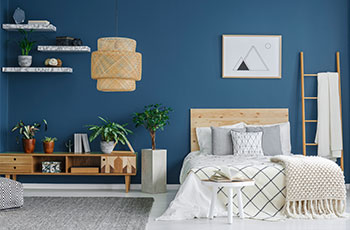
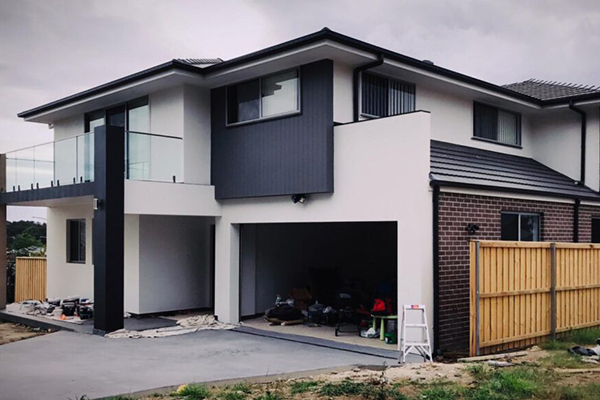
When you are planning a repaint, interior vs exterior painting is not just a style question, it is a budgeting one. The two jobs are priced differently, scheduled differently, and depend on completely different conditions to go well. Here is a realistic breakdown of what each one costs, what drives the price up, and when to book each job so your money and your timeline both go further.
What Is the Real Difference Between Interior and Exterior Painting Costs?
Exterior painting almost always costs more than interior painting for a comparably sized area, because of access equipment, weather-resistant paint systems, and heavier surface preparation. Nationally, painters charge an average of around $45 per square metre or roughly $2,750 per job according to ServiceSeeking 2026 house painter pricing data, though the split between interior and exterior work shifts that average significantly either way.
For a full breakdown of Melbourne-specific pricing across rooms, full interiors, single and two-storey exteriors, see our 2026 house painting price guide. The figures below build directly on that guide so the two posts stay consistent.
How Much Should You Budget for Interior Painting?
A single room typically costs $400 to $900, while a full interior repaint of an average three to four bedroom home runs $4,000 to $8,000. Ceiling height, the amount of trim and doors, and whether you are covering a dark colour with a lighter one all push a quote toward the higher end.
Because interior work is not weather-dependent, it is also easier to budget in stages — one room or floor at a time — without losing consistency in colour or finish between stages.
How Much Should You Budget for Exterior Painting?
A single-storey exterior typically costs $5,000 to $12,000, and a two-storey home runs $8,000 to $18,000, largely due to scaffolding, ladder work and the time needed to safely access higher areas. Homes in coastal areas such as the Mornington Peninsula often need extra protective coatings to handle salt air exposure, which can add to both the cost and the exterior painting timeline.
Exterior quotes should also factor in surface condition — old, cracked or chalky render and weatherboard need more prep than a home that has been well maintained, and that prep time is a real cost driver, not just a formality.
What Other Costs Can Add to Either Job?
Beyond the base quote, the most common extras are surface repairs, additional coats, difficult access, and premium paint systems for high-traffic or weather-exposed surfaces. Industry pricing guides list surface preparation, labour, material quality and accessibility as the main variables behind any painting quote, which matches what we see on-site every week.
This is why a detailed, on-site quote beats a phone estimate every time: it catches repair work, extra coats and access issues before they become a mid-job surprise.
When Is the Best Time to Do Interior Painting?
Interior painting can be done comfortably at any time of year, since it is sheltered from rain, direct sun and temperature swings. The main thing to plan for indoors is ventilation and drying time between coats, which is why we keep windows open and fans running regardless of the season.
When Is the Best Time to Do Exterior Painting?
Spring and autumn are generally the most reliable seasons for exterior painting in Melbourne, since moderate temperature and humidity let paint cure evenly. As the Premier Painting seasonal painting guide notes, summer heat can make paint dry too quickly and blister, while cold, damp winter conditions slow curing and raise the risk of moisture getting trapped under the coating.
We check the forecast closely before locking in an exterior start date and build weather buffer days into the schedule so a rainy week does not derail the whole project.
Should You Do Interior and Exterior at the Same Time, or Separately?
Both approaches are common, and the right one usually comes down to cash flow and urgency rather than a hard rule. Bundling interior and exterior work into one project can reduce overall labour costs since the crew is on-site for both, while splitting them into two separate stages spreads the budget out and lets you prioritise whichever surface needs attention first.
Interior vs Exterior Painting at a Glance
| Aspect | Interior Painting | Exterior Painting |
|---|---|---|
| Typical Melbourne cost | $400–$900 per room; $4,000–$8,000 full home | $5,000–$12,000 single storey; $8,000–$18,000 two storey |
| Typical duration | 3–5 days for an average home | 3–5 days single storey; 5–8 days two storey |
| Weather dependency | Low — can be scheduled year-round | High — best in spring and autumn |
| Main cost drivers | Room count, ceiling height, trim, colour change | Storey height, access, surface condition, coastal exposure |
How Can You Get the Most Accurate Budget for Your Project?
Price ranges are a useful starting point, but the only way to get a number you can actually plan around is a detailed on-site quote that accounts for the size, condition and access of your home. We are members of Master Painters Australia, and we quote and schedule against those industry standards for every interior and exterior job.
Frequently Asked Questions
Is it cheaper to paint the interior or exterior of a house?
Interior painting is usually the cheaper of the two for a comparable amount of work, mainly because exterior jobs need scaffolding or ladder access, more surface preparation, and weather-resistant paint systems. Based on our published Melbourne price ranges, a full exterior repaint often costs 30 to 50 percent more than an equivalent interior job on the same home.
How much does it cost to paint just one room versus a whole house?
A single room typically costs $400 to $900 depending on size and condition, while a full interior repaint of an average three to four bedroom home runs $4,000 to $8,000. Homes with high ceilings, heavy texture or a lot of trim sit toward the higher end of that range.
What is the best time of year to paint the exterior of a house in Melbourne?
Spring and autumn generally give the most reliable results, since temperatures and humidity are moderate and paint dries evenly without blistering or excessive tack time. Summer heat can cause paint to dry too fast and blister, while cold, damp winter conditions slow curing and increase the risk of moisture problems.
Does interior painting have a best time of year?
Not really — interior painting can be done comfortably year-round since it is not exposed to rain, direct sun or temperature swings. The main thing to plan around indoors is ventilation and drying time, which is why we open windows and use fans between coats regardless of the season.
Can I budget for interior and exterior painting separately, or should I do both at once?
Both approaches work, and the right choice usually comes down to cash flow and how urgently each surface needs attention. Bundling interior and exterior work into one project can reduce overall labour costs, while splitting them into two stages spreads the budget out and lets you prioritise whichever area needs it most.
What increases the cost of an interior or exterior repaint beyond the base estimate?
The biggest add-ons are surface preparation and repairs, extra coats needed to cover a dark colour or bare timber, difficult access such as high ceilings or multi-storey walls, and premium paint systems for high-traffic or weather-exposed areas. A detailed on-site quote is the only reliable way to price these in upfront rather than finding them mid-job.
Get Your Free Quote
Ready to find out what your interior or exterior repaint will actually cost? Book your free quote or get in touch and we will walk through your home, confirm the scope, and give you a clear, itemised budget before any work begins. Call us on 0401 890 000 to talk to the team directly.